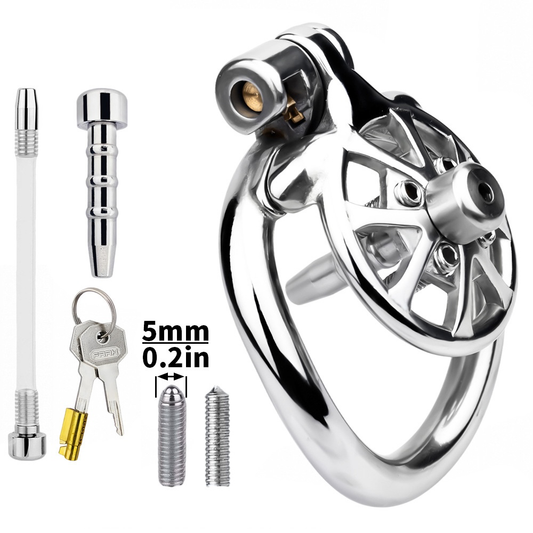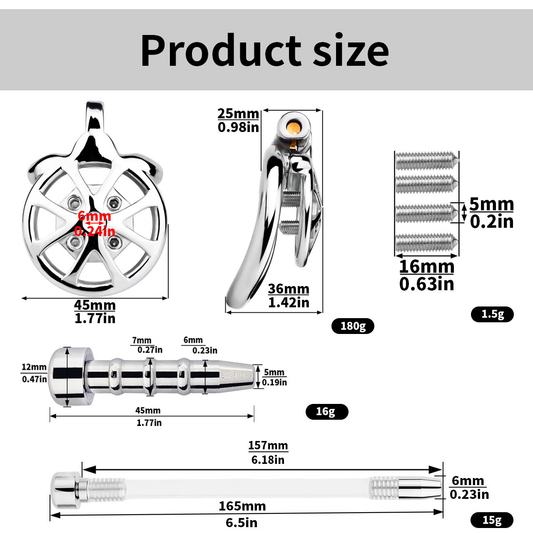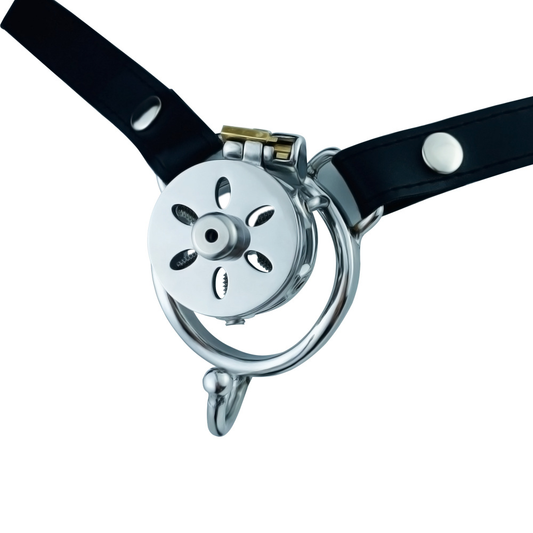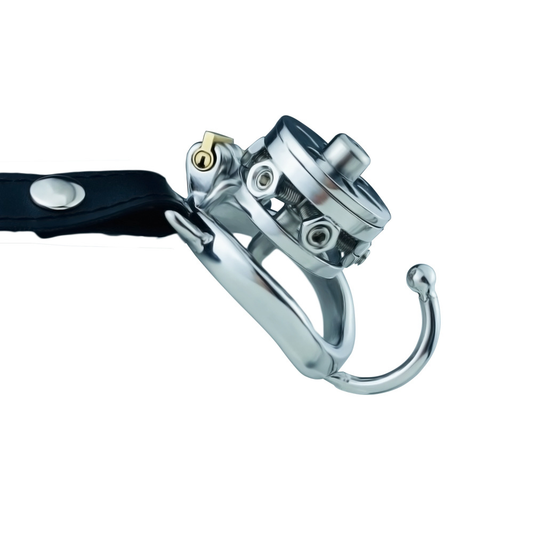
Are Chastity Cages Really Escape-Proof?
“Escape-proof” is a big promise for something that has to fit a human body. Before choosing a chastity cage on that basis, ask what the claim actually covers.
A lock can hold the cage assembly closed. That alone cannot promise the same result for every wearer. Treat absolute security claims with care, especially when the description gives no test details to support them.

Give “secure” a specific meaning
When browsing spiked chastity cages, you may see words such as secure, strict, or inescapable. They can describe the intended experience without telling you how the claim was checked.
Separate a few questions. Does the lock close the assembled parts? Does the design suit the person wearing it? What does the seller mean by security? Those questions are more useful than assuming a dramatic description answers everything.
If a store makes a specific performance claim, ask for the evidence behind it. A named test, its conditions, and its limits would tell you more than another close-up of the lock. Without that detail, you are reading a claim about the product. Check what was tested: just the lock, the cage body, or the whole assembly. A result about one part should not be stretched to cover the rest.
Use the photos for what they can show
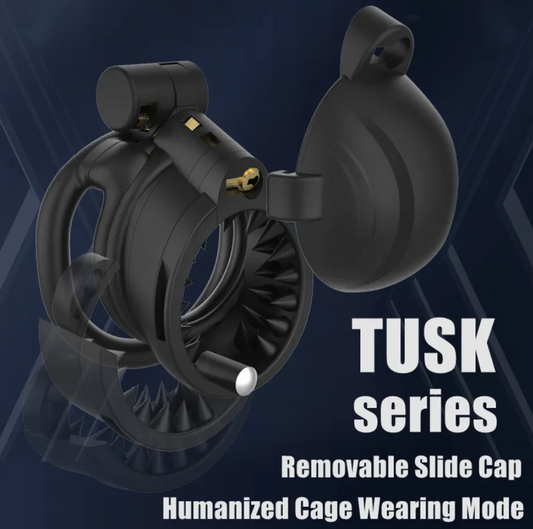
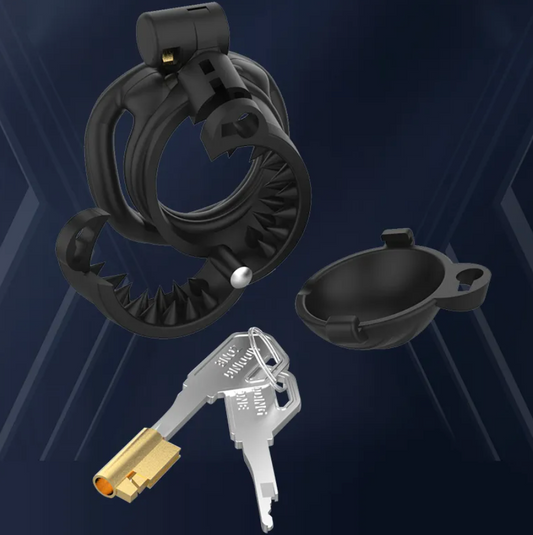
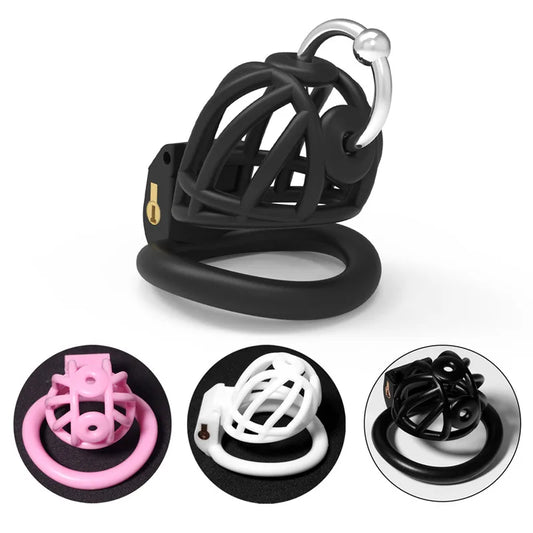
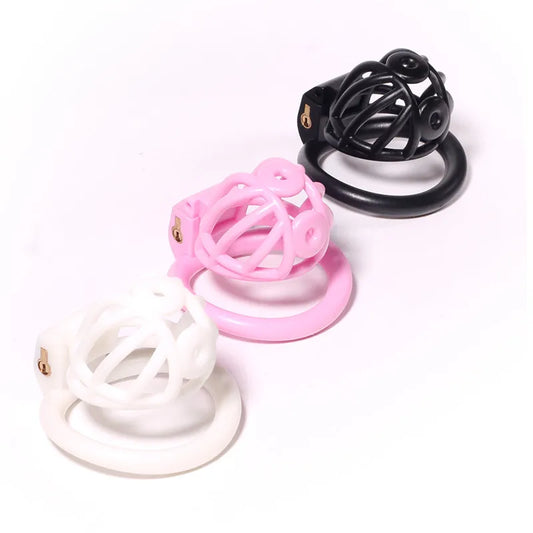
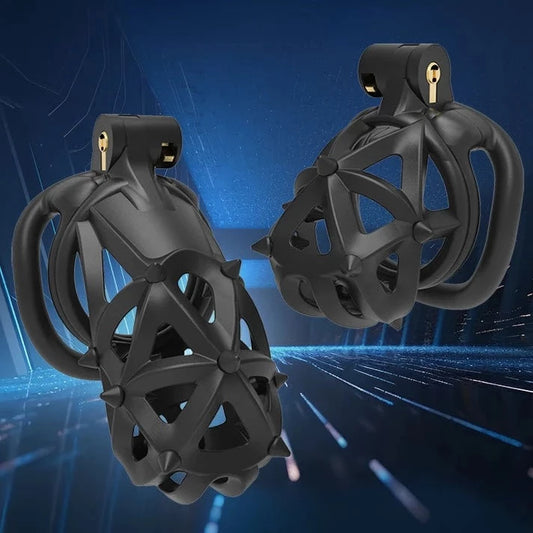
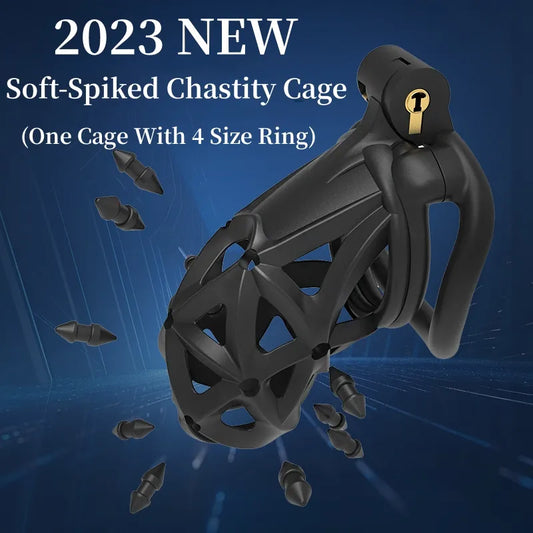
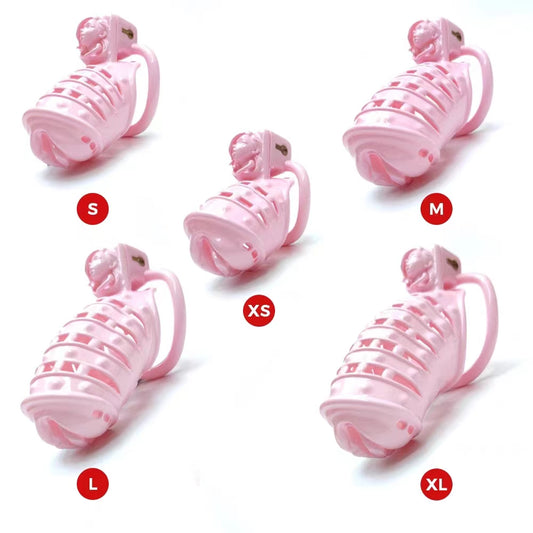
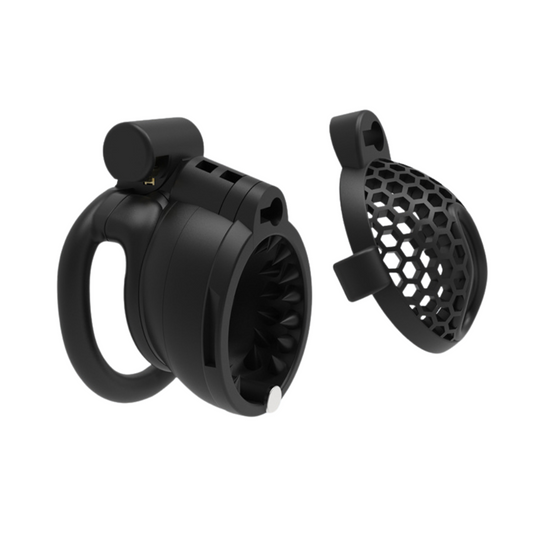
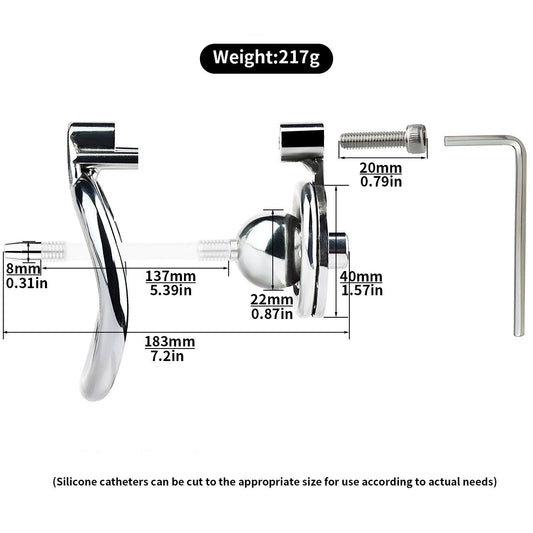
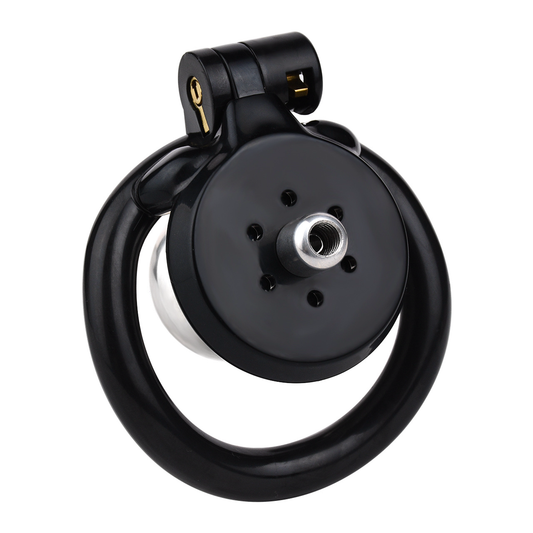
The 3D Printed Chastity Cage with Spikes Lightweight Secure Cock Cage is a good example. Its listing identifies nylon resin and 3D printing, and its photo shows an open patterned body with a keyway at the top.

Those details help you understand the construction. The word Secure in the title adds no measurement of its own. You would still need to assess the model’s fit, assembly, and instructions separately.
The same approach works across the 3D printed chastity cage collection. Compare the stated material and visible construction first. Keep any broader security promise separate from those facts.
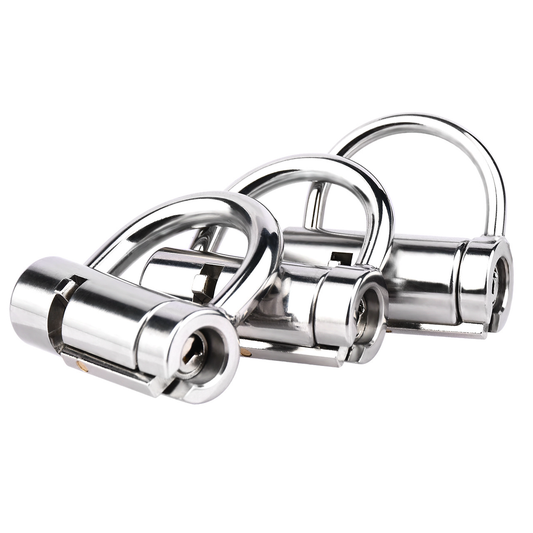
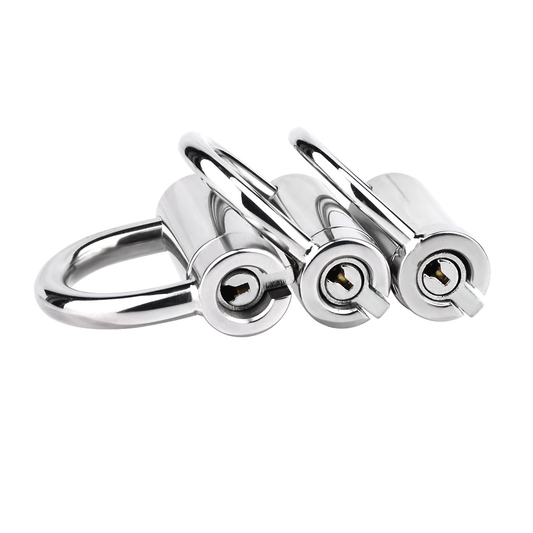
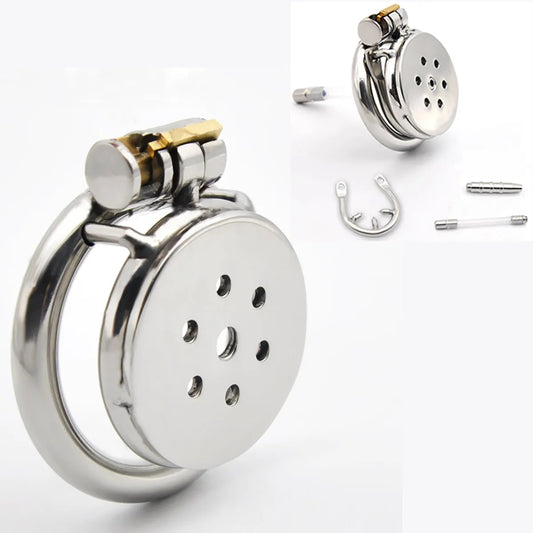
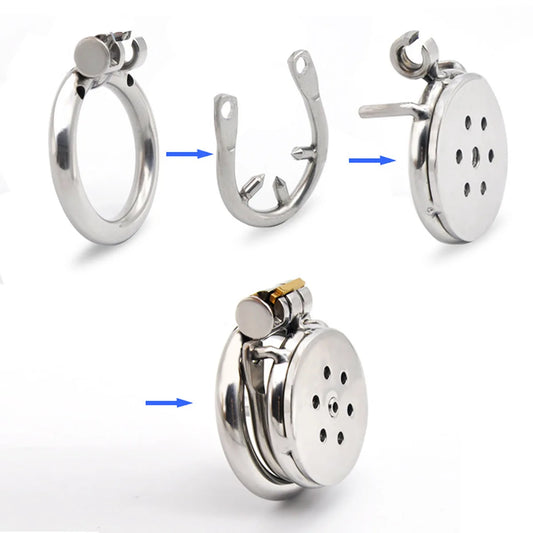
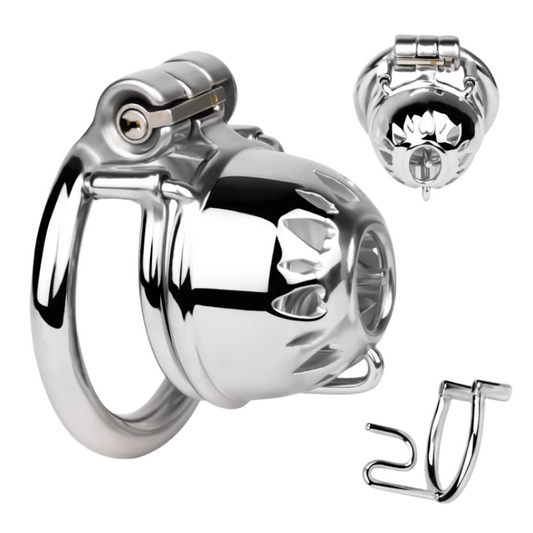
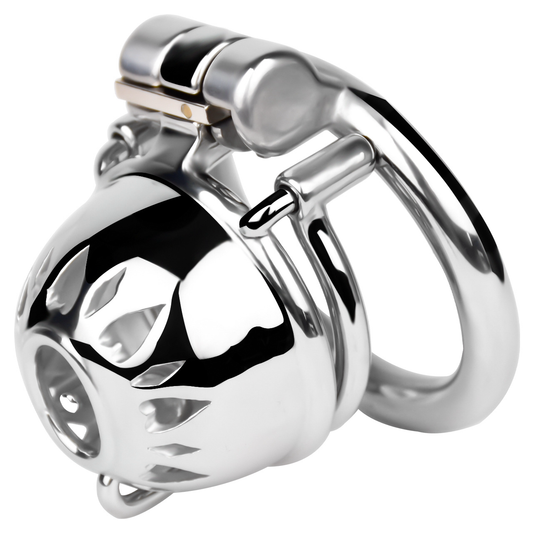
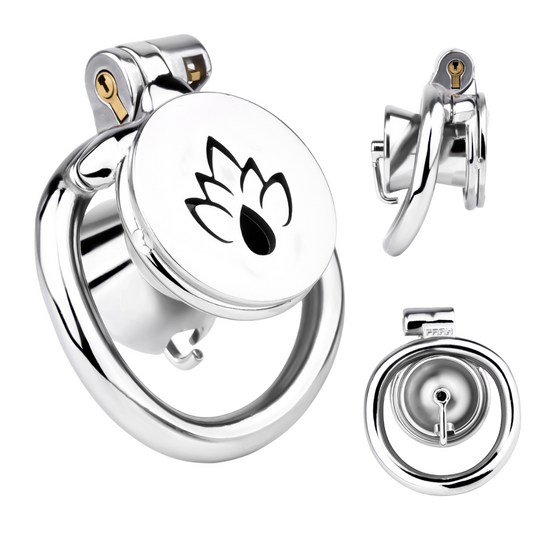
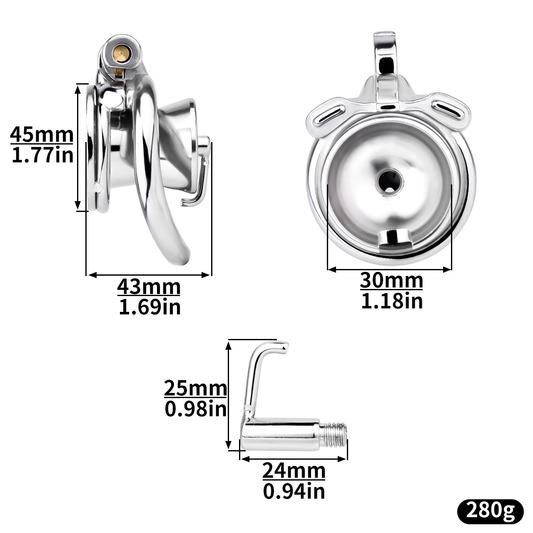
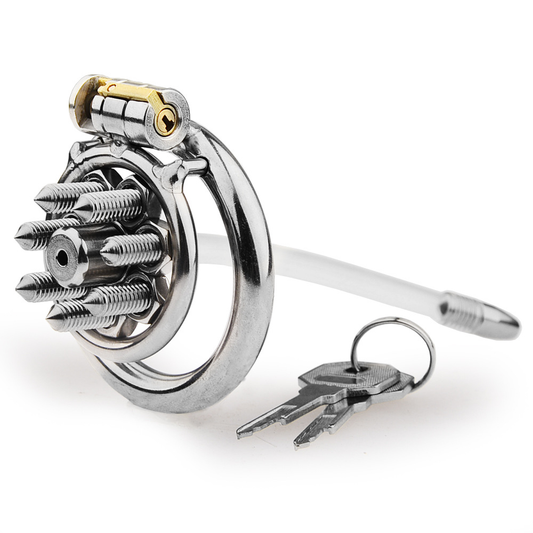
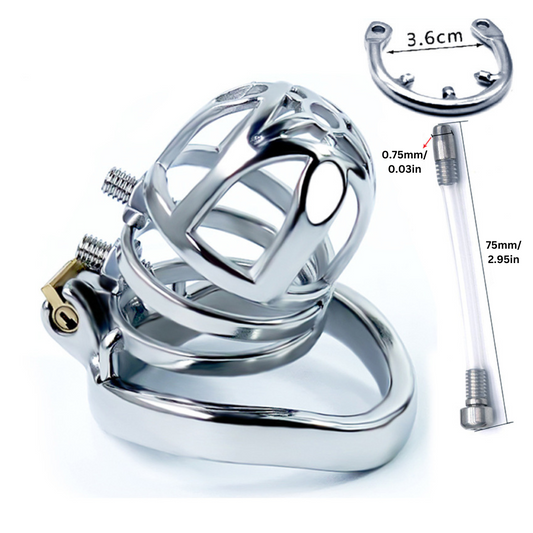
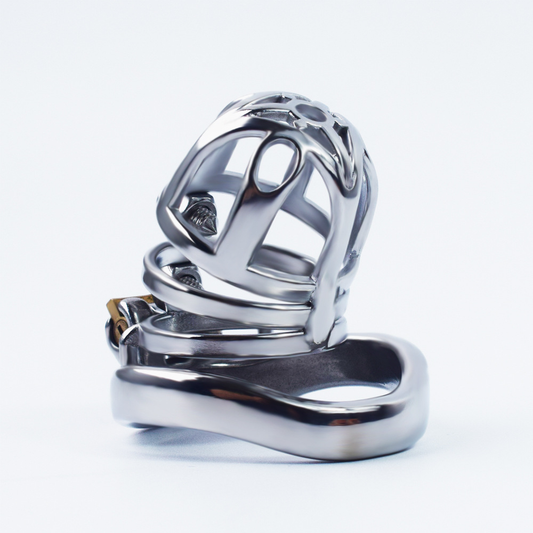
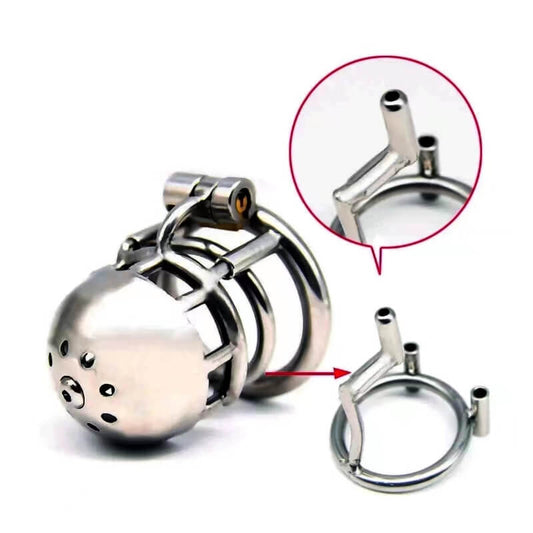
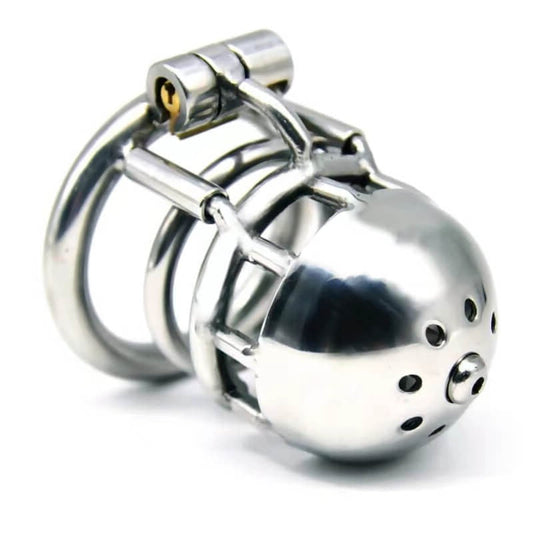
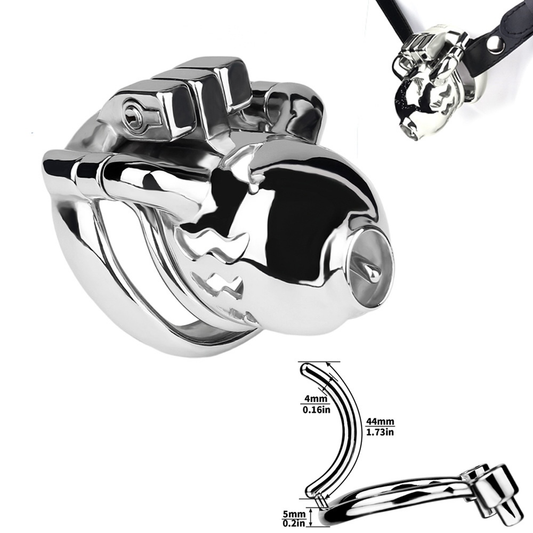
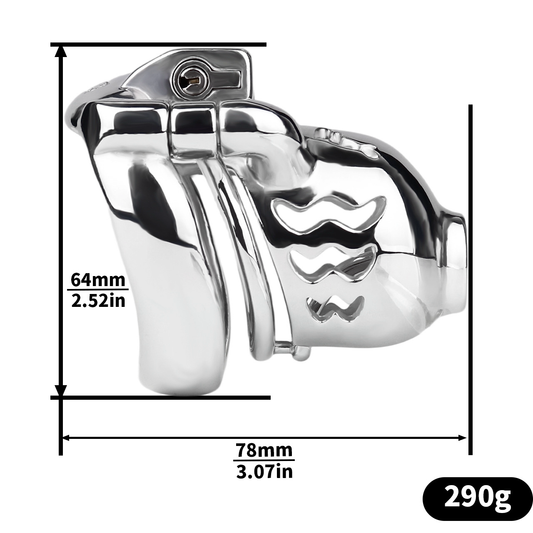
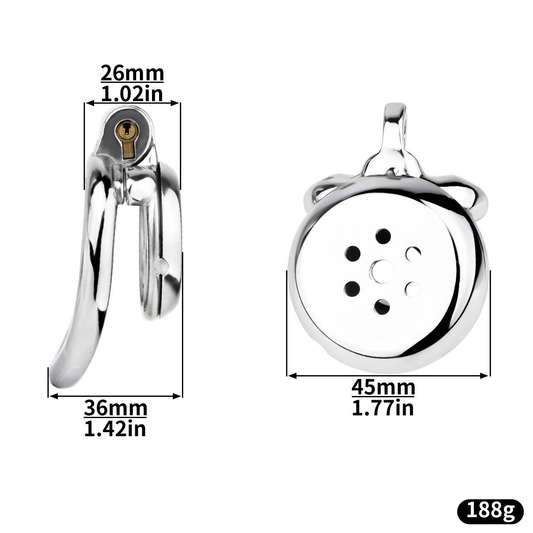
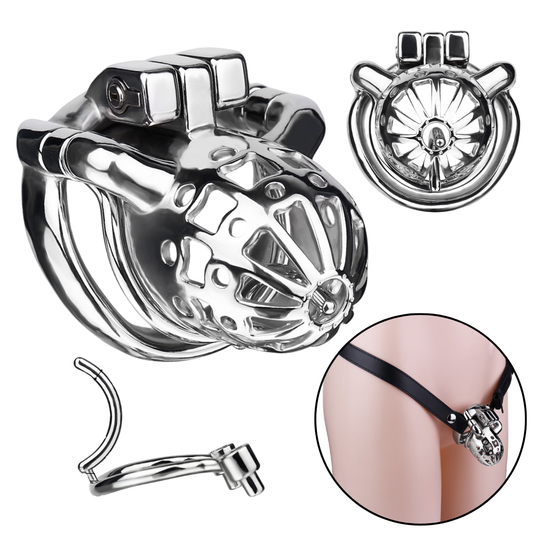
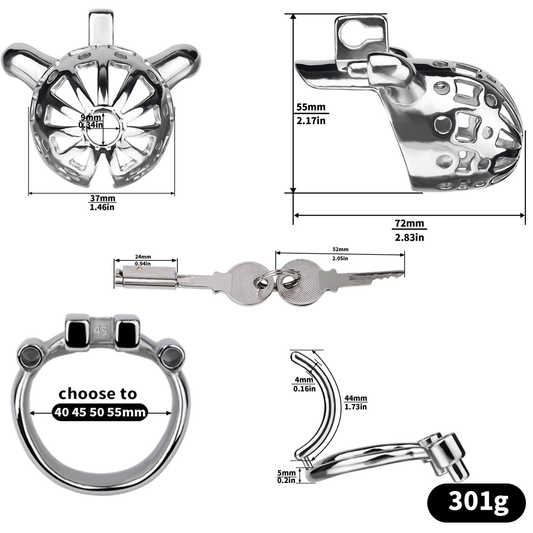
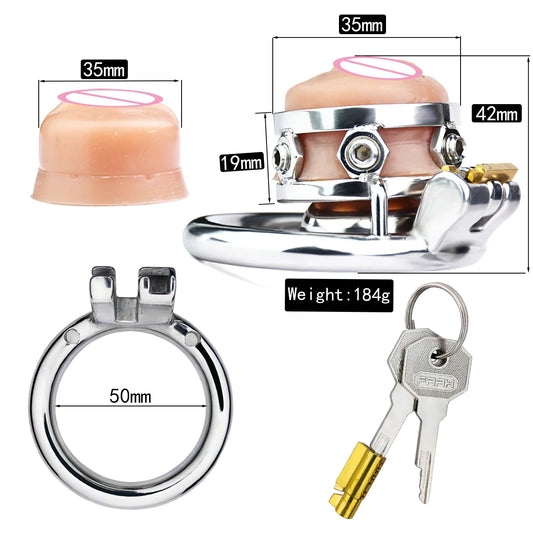
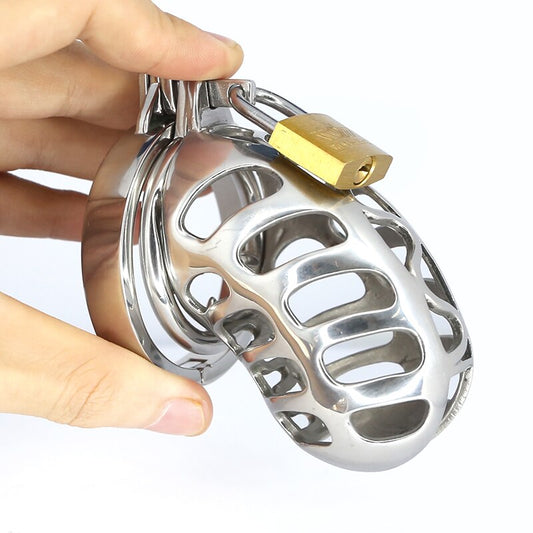
Now take the Hollowed Metal Chastity Cage with Removable Spiked Penis Ring. The listing identifies 304 stainless steel and a key lock; the main picture shows its open metal body and small padlock.

Its metal construction may be the style you prefer. It still would not be reasonable to infer an escape-proof guarantee from the material alone. Apply that distinction when comparing other metal chastity cages, too.
More pressure is a poor substitute for evidence
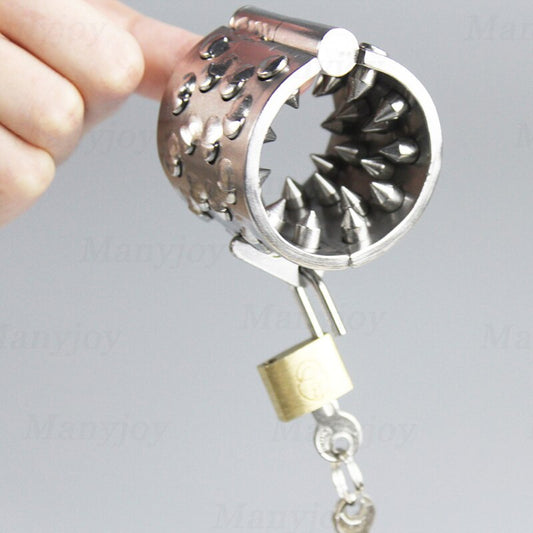
It is easy to turn a security concern into a search for a smaller ring, a tighter cage, or more spikes. None of those choices proves an absolute claim. Pain should not become the test of whether a cage is doing its job.
Spikes are a design feature to choose knowingly with a consenting adult partner. They are not a reason to promise that a device cannot be removed. If you are unhappy with a cage’s fit or performance, discuss that problem with the store instead of trying to solve it by adding pressure.
Decide what you expect from the device
A couple may want the ritual of handing over a key, the appearance of a locked cage, or a physical reminder of an agreement. Say which matters to you. That gives you something practical to discuss when choosing a model.
The cage should remain removable when needed, with access to its key. An agreement between adults also remains voluntary. Neither point prevents a locked device from being meaningful to the people using it.
Before buying, replace “Is this escape-proof?” with a clearer question: “What evidence supports the security claim for this model?” The answer may help you compare products without confusing a powerful-looking design with a promise nobody has explained.