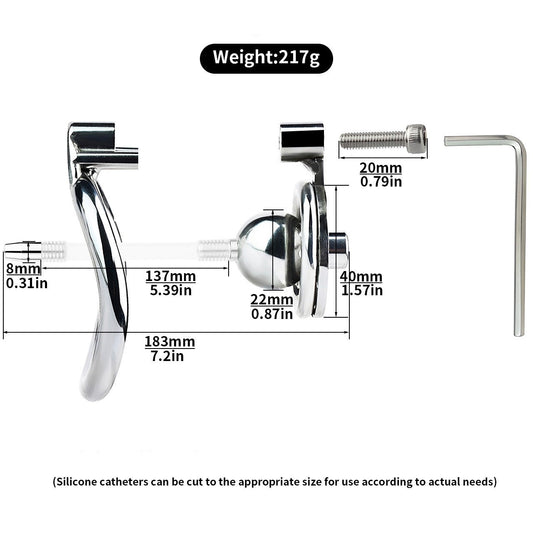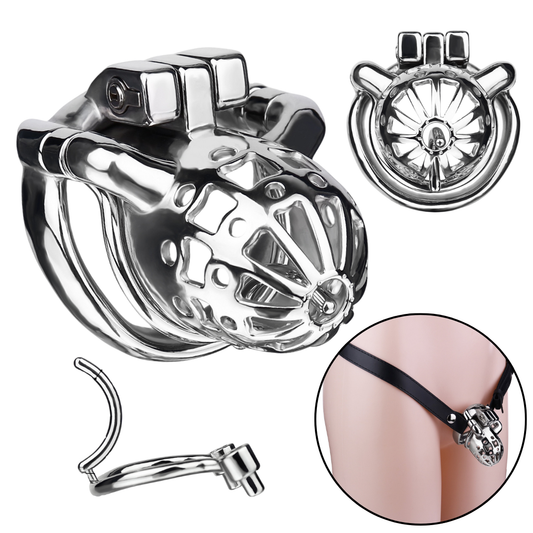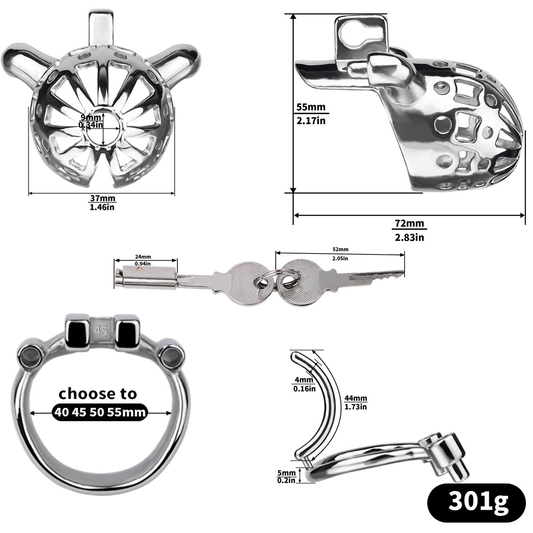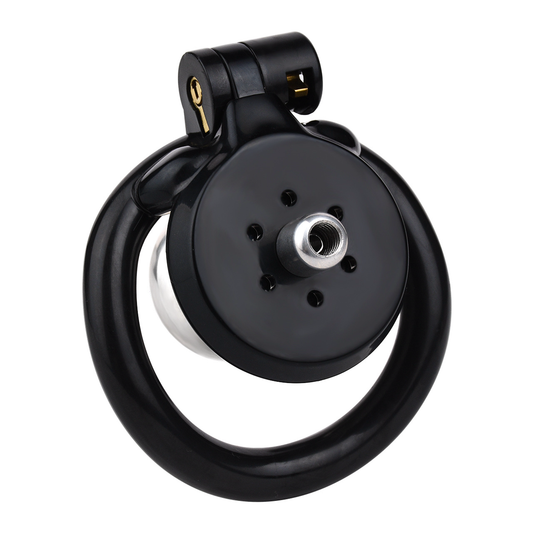
Training Chastity Cages vs Punishment Chastity Cages: Key Differences
I’ve worn and sold both kinds, and honestly they’re built for two totally different jobs. If you want something that teaches habits and comfort, that’s a training cage. If you’re after strict control and consequences, that’s a punishment cage. Here’s a tight, real-talk breakdown so buyers actually know what they’re getting.

Purpose — what each one is for
-
Training: Designed to be worn often, for longer stretches. The goal is habit, edging control, and making chastity feel like part of daily life.
-
Punishment: Shorter, harsher stints meant to be uncomfortable or humiliating as a consequence. It’s about correction, not long-term wear.
Fit and comfort
-
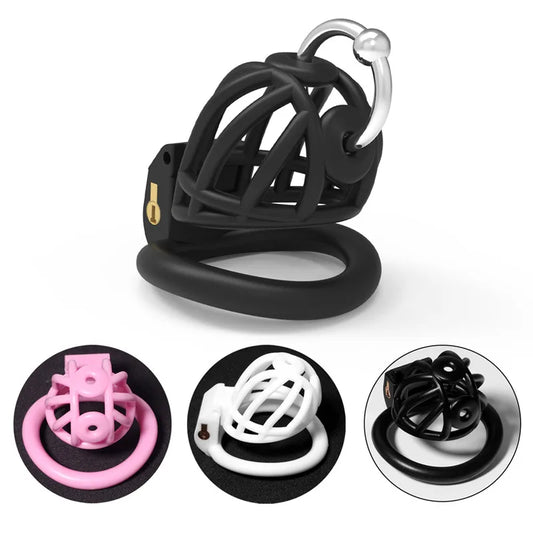
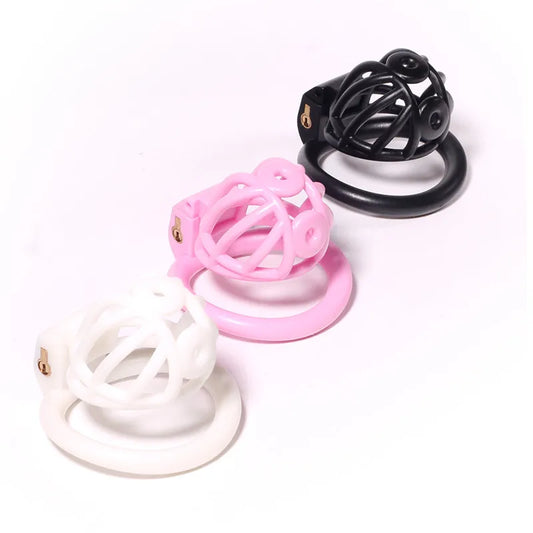
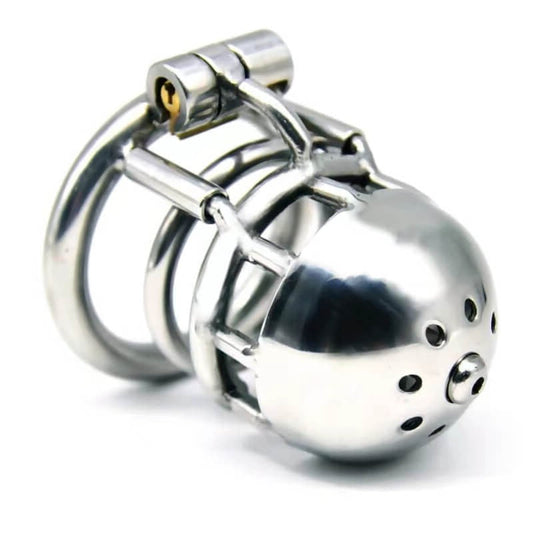
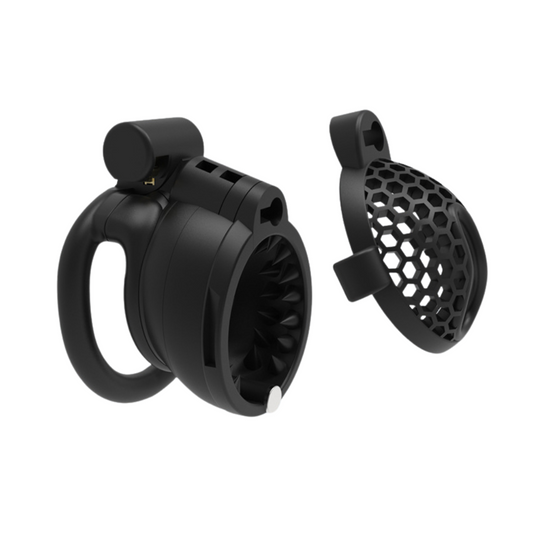
Training cages prioritize comfort: rounded edges, breathable designs, and lighter materials so skin won’t chafe during long wear.
-
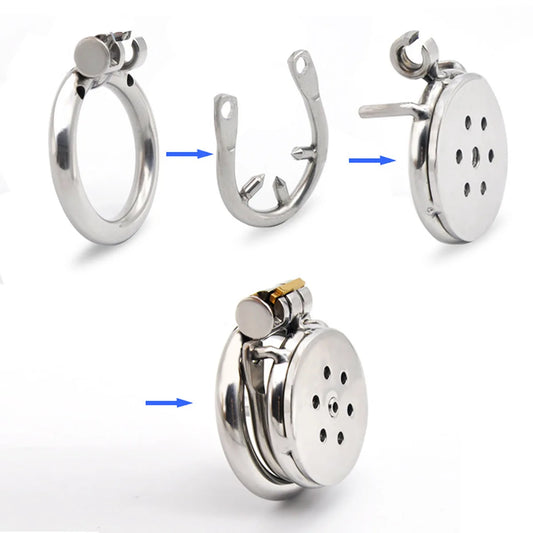
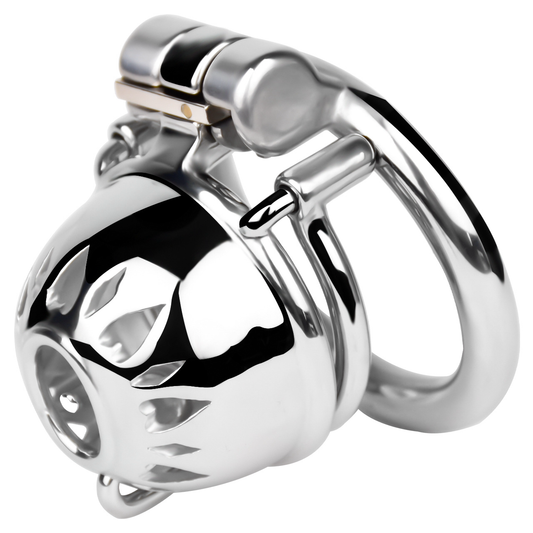
Punishment cages often use tighter fits, less forgiving shapes, or extra features (spikes, narrow openings) so they’re obviously unpleasant.

Materials & durability
-
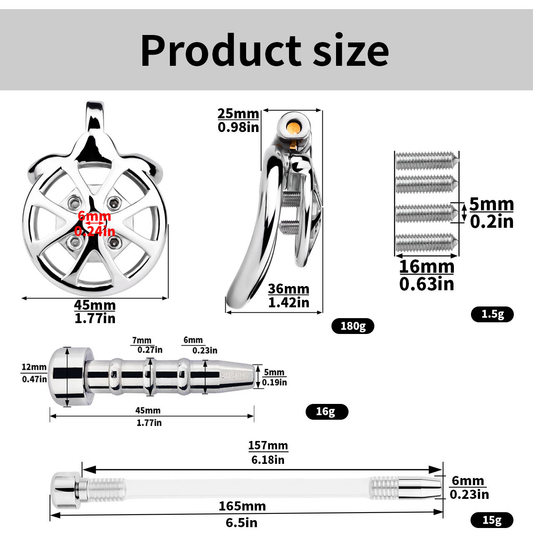
Training = stuff you can wear every day: smooth stainless, medical-grade silicone, or well-finished resin.
-
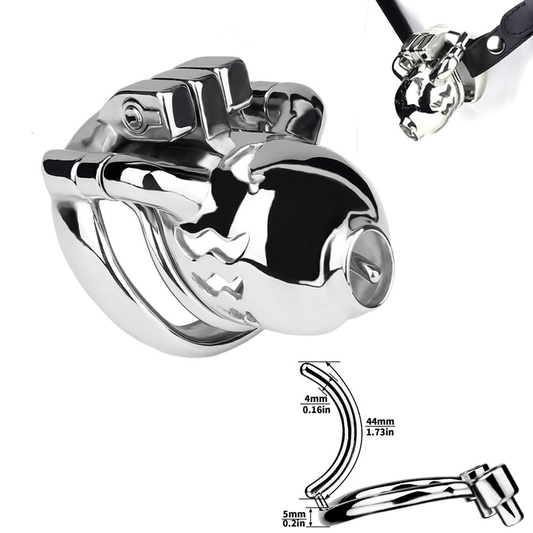
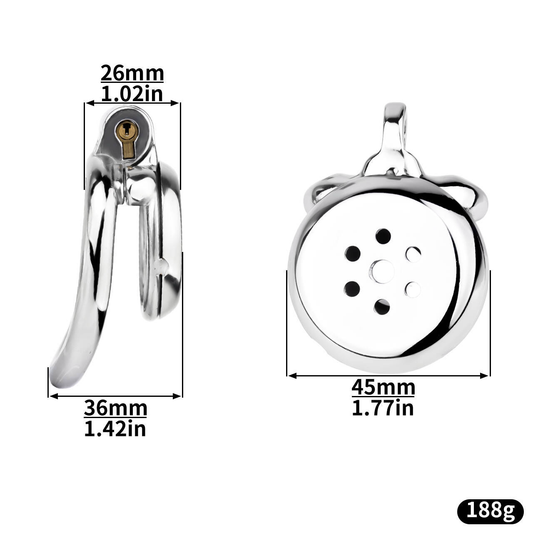
Punishment = tougher metal or rigid designs that emphasize restriction over comfort.
Locking & control features
-
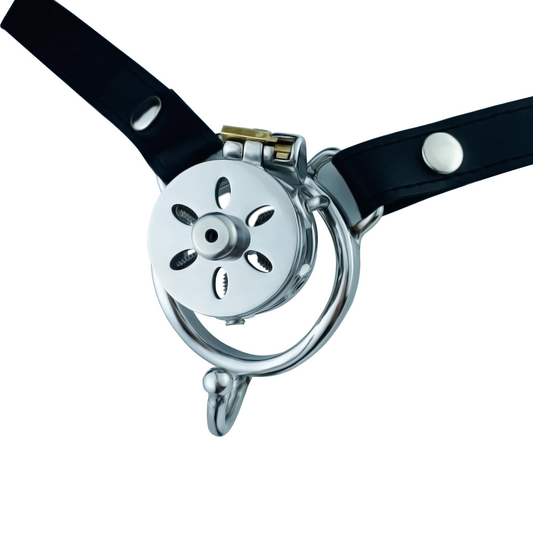
Training often has simple, secure locks and options for remote or keyholder control that support scheduled wear.
-
Punishment may use tamper-proof setups, permanent-looking screws, or designs that make removal really inconvenient.

Psychology & rules
-
Training is progressive: small steps, measurable goals, rewards for compliance. It’s about conditioning.
-
Punishment is immediate and obvious — the point is to create a memory (and usually a lesson). You want it to feel like a consequence.
Safety & hygiene
-
With either type, safety first: comfortable blood flow, no digging into skin, clean urethral-friendly materials if used, and a clear plan to remove if something goes wrong. Training cages make daily cleaning easier; punishment cages sometimes require more careful aftercare once they come off.

How I recommend using them (practical tips)
-
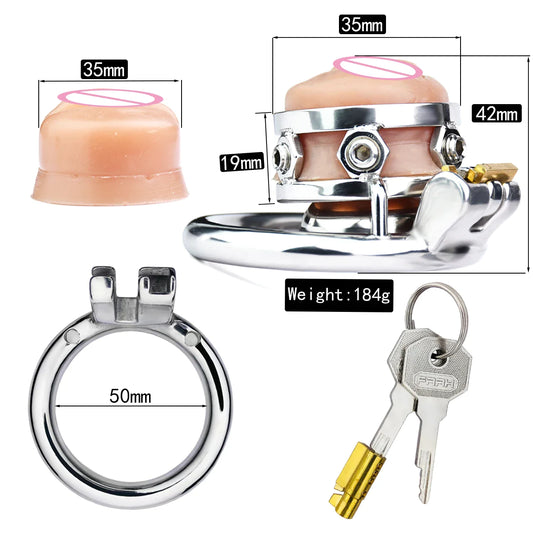
Start with a training cage for a week at a time so the body and mind adjust. Measure ring size properly — loose isn’t better.
-
Use punishment cages sparingly and with explicit consent: short sessions, pre-agreed rules, and an aftercare plan.
-
Always keep an emergency removal option and check skin daily. If redness or numbness appears, take it off.
If you want gentle habit-building and long wear, pick a training cage. If you want strict, memorable consequences, pick a punishment cage. Both can be powerful when used responsibly — but they’re not interchangeable. Know the intent, check the fit, and plan for safety.